
Why med spas are quietly built for referrals
Repeat visits, visible results, and real trust make a med spa a referral machine. Most never capture it. Here is the gap, and how to close it.
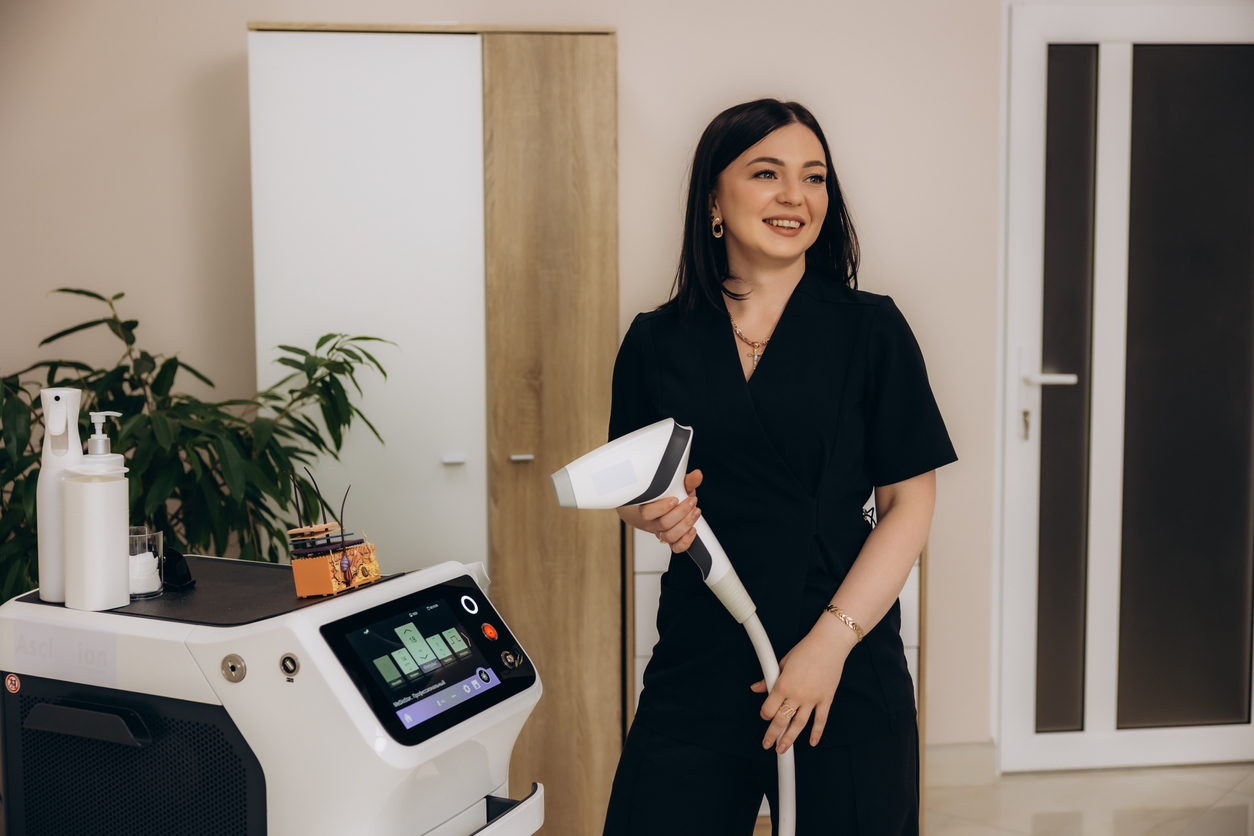
Ask ten med spa owners where their new clients come from and you'll hear a mix: local Google searches, Instagram, a real chunk from paid ads, and, underneath all of it, friends telling friends. That last one is easy to underrate. Across the aesthetics industry, word of mouth and referrals are consistently named among the most powerful drivers of new patients. And it isn't luck. Almost everything about how a med spa runs quietly makes it good at referrals. The trouble is that most of that word of mouth happens where the owner can't see it, and nobody gets rewarded for it, so it never becomes a channel you can count on, even while you're paying for ads to do the same job.
It matters more than it used to. The medical aesthetics industry has grown past $17 billion and keeps adding more than a billion dollars a year, by the American Med Spa Association's count, which means more clinics competing for the same clients every year. In a market like that, the referrals you already earn are the cheapest growth you have, and the easiest to leave sitting on the table.
Here's why the structure works, and where it leaks.
Repeat visits give you a dozen natural moments to ask
A retail store might see a customer twice a year. A med spa sees the same client on a cadence: a series of treatments, a membership, a monthly touch-up. Every one of those visits is a moment where a happy client is right in front of you, relaxed, glad they came. Most businesses would kill for one referral conversation a year. You get ten.
The results are visible, and people ask about them
This is the part no other category can copy. When a client's skin clears up or they walk out glowing, other people notice and ask. The referral conversation starts without your client saying a word. "You look great, what are you doing?" is a warmer lead-in than any ad you could buy.
Your clients are having the referral conversation for you, in coffee shops and group chats you'll never see. The only question is whether you ever find out it happened.
The trust is already there
Aesthetic work is personal. Clients let you near their face, their body, their insecurities. That level of trust doesn't transfer to a landing page, but it transfers beautifully to a friend. A recommendation from someone who trusts their provider carries more weight than any review site, because the friend trusts the client, not a stranger's stars.
So where does it leak?
If med spas are this well-built for referrals, why doesn't every one of them have a flood of them? Three reasons, and they're all fixable:
- It's invisible. The referral happens in a text message. You have no idea it occurred, so you can't lean into what's working.
- It's unrewarded. The client who sent three friends this month gets nothing, so they don't think to do it again, and the behavior fades.
- It feels awkward to ask. Owners worry that asking for referrals makes them look needy or salesy, so they don't, and the moment passes.
None of those are problems with your business. They're problems with having no system underneath the word of mouth you already earn.
Closing the gap
The fix isn't to generate referrals you don't already have. It's to capture the ones happening anyway. Give your clients a simple way to share, make the reward feel like a gift to their friend rather than a transaction, and tie the whole thing to the moments you already have: the result they love, the compliment they just paid you, the visit where they're happiest.
Not sure who to start with? Here are the five clients to give your referral link to first. Do that, and the channel you've been running by accident for years finally becomes one you can see, reward, and grow on purpose.
Try it free
Turn word of mouth into a channel.
Get clients and keep them, without the busywork. Free up to 100 advocates.
Keep reading
How to turn first-time clients into regulars
A first visit is the easy part. Here is how service businesses turn one-time bookings into loyal regulars, with retention moves you can start this week.
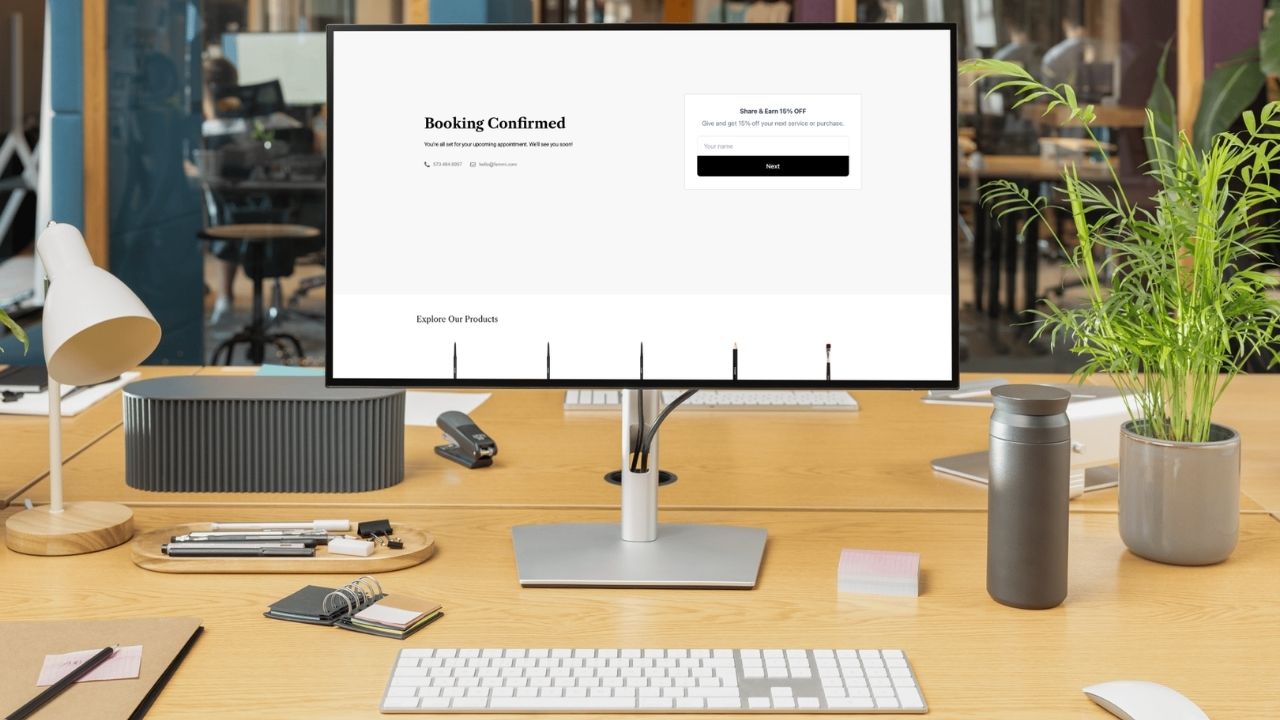
Set up your first referral program in an afternoon
A no-jargon walkthrough for getting AdvocateLoop live, from your first reward to the moment a customer sends their first friend.
The five clients who should get your referral link first
Not every happy customer becomes an advocate. Here is how to spot the five who actually send friends, plus exactly what to say to each one.